Nigeria is a signatory to several international human rights treaties, and Chapter IV of the Constitution guarantees fundamental rights such as freedom of expression, movement, and fair hearing. On paper, the framework for human rights protection is strong. Yet, the lived experience of many Nigerians suggests that implementation remains uneven.
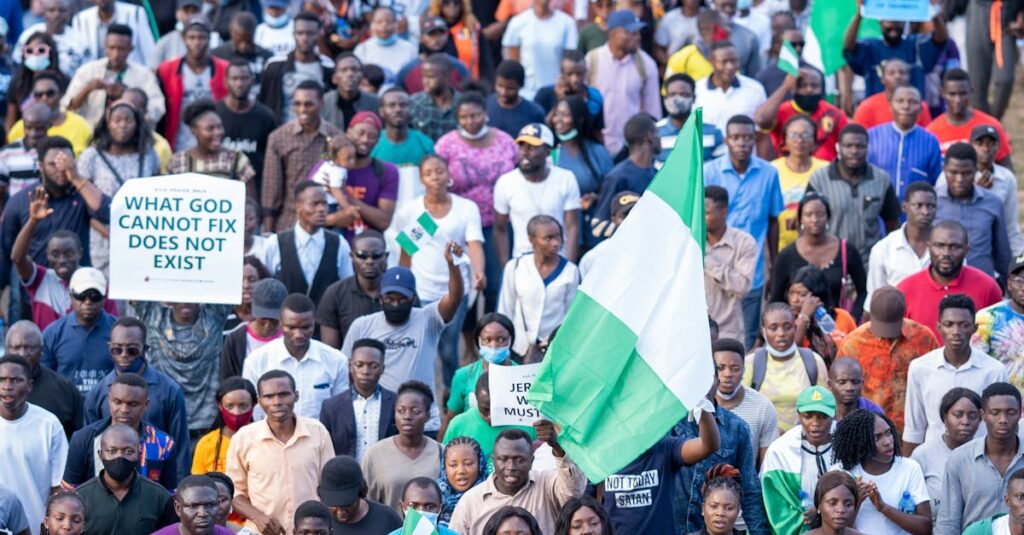
Freedom of expression, particularly in the digital age, has become a central issue. Social media has empowered citizens to speak out on governance and social justice, but it has also raised concerns about regulatory overreach. The balance between national security and civil liberties remains delicate and often controversial.
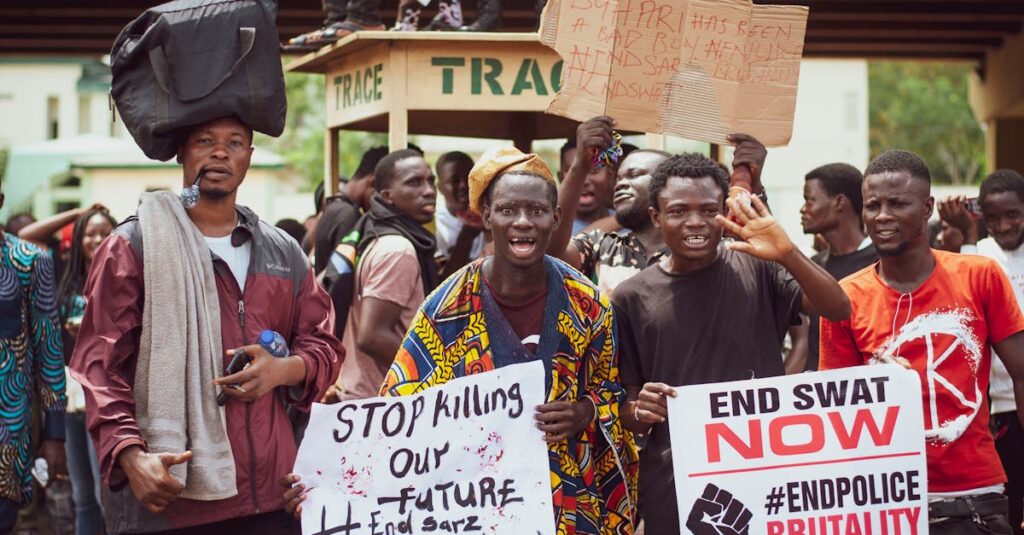
Additionally, issues such as police brutality, unlawful detention, and prison overcrowding continue to challenge the human rights landscape. Although reforms have been proposed and some progress has been made, systemic change requires sustained effort, adequate funding, and comprehensive training of law enforcement personnel.
Protecting human rights in Nigeria is not solely the responsibility of government institutions. It also requires an active civil society, independent courts, and informed citizens who understand their rights and responsibilities. True progress will come when human dignity is treated not as a political slogan, but as a foundational national value.